Introduction to Digital Detox and Creative Focus
From a pleasant option to an urgent necessity, digital detox transforms in the era of constant online presence. Daily, a modern person faces an endless stream of information: notifications on the smartphone, news, infinite social media feeds. In this ocean of data, it is easy to get drowned and lost to contact with reality, and therefore with one’s self. Choosing music-making inside the Talented app as focused sessions for a deliberate screen practice is a practical way to make digital detox tangible and motivating — discover more.
Why Digital Detox Is Important
- This reduces stress and anxiety.
- Enhances concentration and improves sleep quality.
- Helps restore mindfulness and attention.
- Emotional balance is restored.
What was noticed is that music, according to observations by the developers of a music-learning app, is one of the most effective tools in struggling with the habit of constantly “hanging” on the phone. Transitioning from passive content consumption to an active creative process helps reboot attention, giving new emotions and meaning.
A technician for a particular brand can fix the cars of only that brand.
The Harm of Endless Scrolling
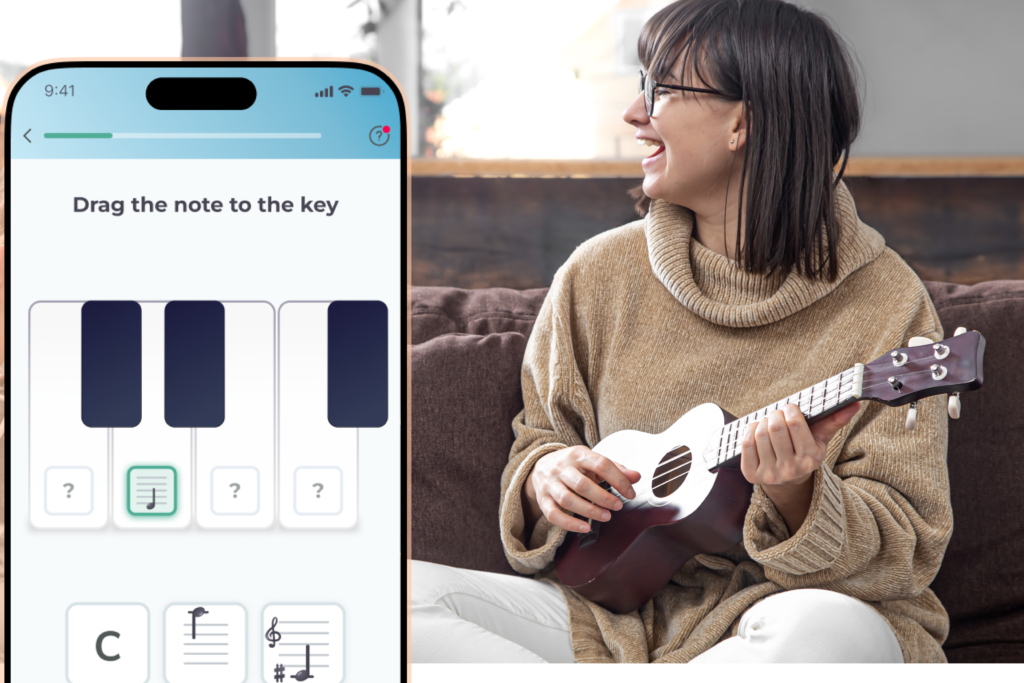
What really happens with the brain while on social media is that we “get stuck.”
- Neurochemical overload: each like and every new notification cause the release of dopamine, the neurotransmitter of pleasure. At constant stimulation, receptors become accustomed — and for the previous high, a larger “dose” is needed.
- Loss of focus: switching between posts literally breaks our attentive activity into small fragments and reduces the ability to deeply focus.
- Emotional burnout: constant comparisons with others, either too negative or overly bright content emotionally tires the psyche.
| Effect of Scrolling on the Brain | Consequences for the User |
| Frequent switches of attention | Memory worsening, decline in productivity |
| Excessive dopamine release | Addiction formation, irritability |
| Emotional swings | Anxiety, stress, lowered self-esteem |
It is, therefore, important to consciously exit this vicious cycle. Replacing endless scrolling with some creative process like music helps not only to reboot the brain but also to get energy for new achievements.
Creativity as a Form of Restoration
The world of today involves swift and frequent switching and jumping between dozens of notifications; our attention is increasingly scattered. It is here that music acts as a strong tool of restoration, capable of bringing back concentration and tranquility. But why music, particularly?
- Rebuilding attention. Engages the brain in an active process of perceiving music: rhythms and melodies force focusing on the sounds rather than ephemeral thoughts in the head. From “multitasking” mode to deep focus, such a listening or creation of music switches neural networks.
- Decreasing emotional tension. Reducing levels of stress hormones, such as cortisol, melodies can change anxiety for relaxation and internal harmony.
- Expression and reflection. This helps not only to detach from digital noise but also to express the emotions that are mostly lost in the stream of information. The creative process with music does this.
- Positive impact on memory and motor skills. It triggers different parts of your brain while learning musical compositions, which improves cognitive functions and coordination.
Thus, music is not just a background for rest, but a full-fledged method of mental rehabilitation. Such immersion in tonal worlds, instead of endless scrolling, allows for different redistribution of mental resources and gradual restoration of balance and energy.
Practical Ways to Replace Scrolling With Musical Creativity
Starting today, you can switch from automatic scrolling of social networks to musical creativity. What is needed for this? A little bit of organization and a desire to experiment. Some easy yet effective approaches follow:
- Create playlists. Instead of extra browsing, make it a habit to make collections of favorite tracks according to mood. A morning boost or evening relaxation — it might be.
- Immersive listening. Try to dedicate 10–15 minutes of your time to attentive music listening, without the phone and distractions. Close your eyes and listen to every sound.
- Improvisation. If there are musical instruments, even simple ones like ukulele or piano, play something without goals or plans, just to allow the emotions to express themselves.
- Making your own tracks. With modern apps and programs, recording and mixing music is quite easy to do even on a smartphone or computer. That’s a great way to include creativity in the daily rhythm and add a new skill.
- Musical games and exercises. Apps teaching rhythm, melody, or ear allow one to cheerfully develop musical potential, replacing time spent on social media with useful practice.
- Find a connection through music. Arrange meetings with friends where everyone shares something new they discovered, or just play and sing together — it is not only a creative activity but also a social one.
With time, such actions will turn into a stable habit of replacing meaningless scrolling with mindful, fruitful musical time. The main thing is to start small and choose the formats that bring joy and inner comfort. Short, focused sessions in the Talented app reinforce habit replacement and build digital wellness.
Mastering New Skills Without Stress
This is not just musical entertainment, but immersion and a real way to relieve tension and escape endless scrolling.
But how to start?
Mastering of a new skill is always scary, and all the more so when it seems that years of practice and special talent are needed for playing an instrument or making music.
Much simpler it actually is — the key to that is just the right approach to the process and structuring of your learning. Here are some tips that will help you master musical creativity without too much stress:
- Choose the right instrument or program. There is no need to buy right away an expensive guitar or a professional synthesizer. All it may take is a ukulele, mini keyboard synthesizer, or perhaps even a mobile application to compose music. What’s important is that the instrument will encourage you to practice and not be a source of frustration.
- Break learning into small steps. Instead of trying to play full songs all at once, bring it down to one simple task: learn one chord, master one rhythm, or create a short loop. Success includes small steps that keep motivation high and reduce anxiety.
- Duration is less important than frequency. It is better to practice 10–15 minutes a day than to try to master an hour-long lesson all at once. Short sessions fit more easily into your schedule, and the brain absorbs information better with frequent repetition.
- Don’t be afraid to make mistakes or experiment. Musical creativity is freedom in which there is no “right” or “wrong.” Allow yourself to try different styles, sounds, and techniques. Mistakes are part of the process and aren’t a reason to stop.
- Use educational resources. Online courses, video lessons, musician forums, and applications with interactive tutorials will keep you on the right track, moving forward supported.
- Give back to the community. Even remote communication with other beginners or experienced musicians gives an extra boost of enthusiasm. Joint sessions or idea exchanges keep the process alive with inspiration for more.
Musical skills can be mastered without stress and hurry, taking your time. The main thing is to make learning a nice creative ritual for them, bringing them joyful emotions and naturally pushing out excessive screen time. Not only will it take away from digital endless scrolling, but the melodies born under your fingers will visibly improve mood and inner state. And remember, music is the language of emotions, open for every person who dares to take that very first step. Consider screen practice that is truly productive by turning notifications off during focused sessions.
Creating a Personal Digital Detox Ritual
Not a one-time trial or a forced break, that is hard to endure, should digital detox be. It is much more worth making, instead, the daily routine, bringing joy and a feeling of inner balance.
The stable ritual is important when, in today’s reality, a smartphone is literally in your pocket and notifications won’t let you rest. It allows one not only to disconnect from digital noise but also to recharge creative energy. We would like to build such a ritual by relying on three principal elements:
- A particular time and place. Set aside time, at least 15–30 minutes a day, in which you consciously switch off all your gadgets. Find a spot that feels good to create your music, whether it’s playing guitar or piano or even making your first-ever music tracks on an app. This should be a space associated with calm and focus.
- A seamless transition from the digital world to the creative one. Not immediately jumping from endless scrolling to intense music activity is advised. Just get simple: play your favorite melody, stretch, close eyes for several minutes. A grounding ritual create that helps your brain adjust and focus on the new activity.
- Regularity and flexibility. Easier it is to create new habits and skills if approached understandingly, not under pressure. Not striving for long daily sessions, it is more desirable to have small but steady immersions into the creative process. Allow yourself to change the level and nature of activities — listening, singing, making up simple melodies, or improvising is important.
Besides, adding a few more practices to the ritual we propose will enhance the effect of digital detox through music:
- Keeping a music diary — record your feelings, successes, and ideas; helping to consolidate results and see progress.
- Connecting with like-minded people — group work or discussion of musical impressions serves not only for motivation but also as a source of support.
- Creating gadget-free zones in your home — places designated not to allow technology in help keep an environment of calmness and a creative mindset.
By creating such a personalized ritual, you not only reduce your dependence on being constantly online but also allow yourself the chance for deep recovery, tuning to harmony, and manifesting your creative ideas without stress. Remember that digital detox is not the rejection of technology but skillful use of its possibilities in balance with live practices and self-attentiveness. The Talented app can anchor these habits with timers for focused sessions and gentle prompts for a mindful screen practice cadence.
Stories of Successful Transitions
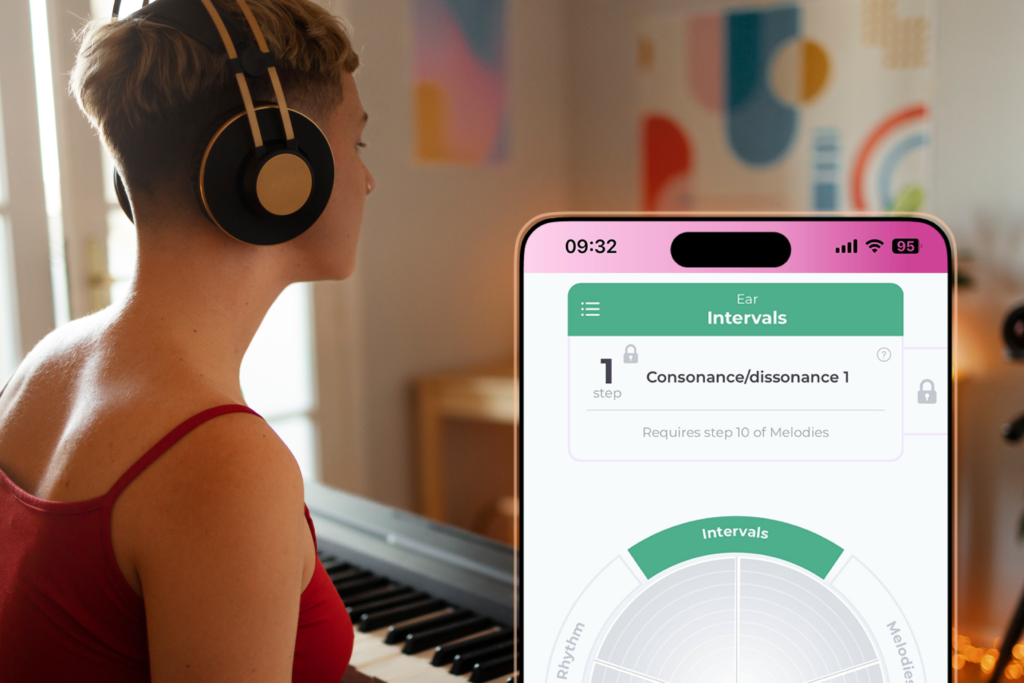
Impressive results are shared by many who decided to end the endless scrolling and introduce music into their lives. The following key points unite their experience:
- Disconnection from the screen. Instead of mindless feed-scrolling, the emphasis here is on the conscious immersion in creativity. Returning the sense of time and reducing anxiety, music helps, many note.
- Restoring inner balance. Becoming a kind of bridge between emotions and reason, musical creativity lets the body and mind reboot without severe stress.
- Social connections and motivation. It does motivate to maintain new habits and avoid old addictions when being part of musical communities and exchanging experiences.
- Creative freedom. Self-expression, which music immersion allows for, is a strong source of gratification and thus increases happiness.
A life example is as follows: Marina works in IT and started studying guitar after she felt that evening hours over the phone were not bringing her any joy. In a few months, with regular practice, she not only noticeably improved her emotional state but got new friends through the musical community.
Conclusion — Integrating Musical Digital Detox Into Everyday Life
Musical digital detox is not a one-time step but a gradual, conscious process. To be effective, the following should be implemented:
- Schedule music time. Set aside specific hours or at least 15 minutes per day for musical creativity.
- Create a cozy space. A nook, set up with instruments or devices to make music, where nobody will bother you.
- Set small goals. Master a chord, play the first melody, record your own track — inspiring progress!
- Record feelings and emotions. Keep a journal in order to monitor change, thus encouraging continuance.
- Combine music with other practices. Meditation, yoga, or walks in fresh air will enhance the restorative effect.
By including music into your daily digital detox, a source of energy and joy you create — in so doing, you’ll be supportive of inner harmony and resilient against the stresses of modern life. Other than endless scrolling, music fills life with meaningfulness and helps to be here and now. Today, begin — and step by step, feel a change in your view on time, technology, and your own possibilities. With the Talented app, you can plan focused sessions, convert screen practice into productive creativity, and strengthen long-term digital wellness.